Enhancing Manufacturing Processes: The Impact of 3D Laser Scanning on High Quality Control
3D laser scanning modern technology is transforming high quality control in manufacturing. By giving high-resolution data and specific dimensions, it makes it possible for suppliers to identify deviations from specifications with ease. This advancement not only streamlines assessment procedures but also boosts operational efficiency. 3D Scanning. Nonetheless, the implementation of this technology includes its very own collection of difficulties. Discovering these elements discloses the more comprehensive effects for markets and the future landscape of production
Recognizing 3D Laser Scanning Modern Technology
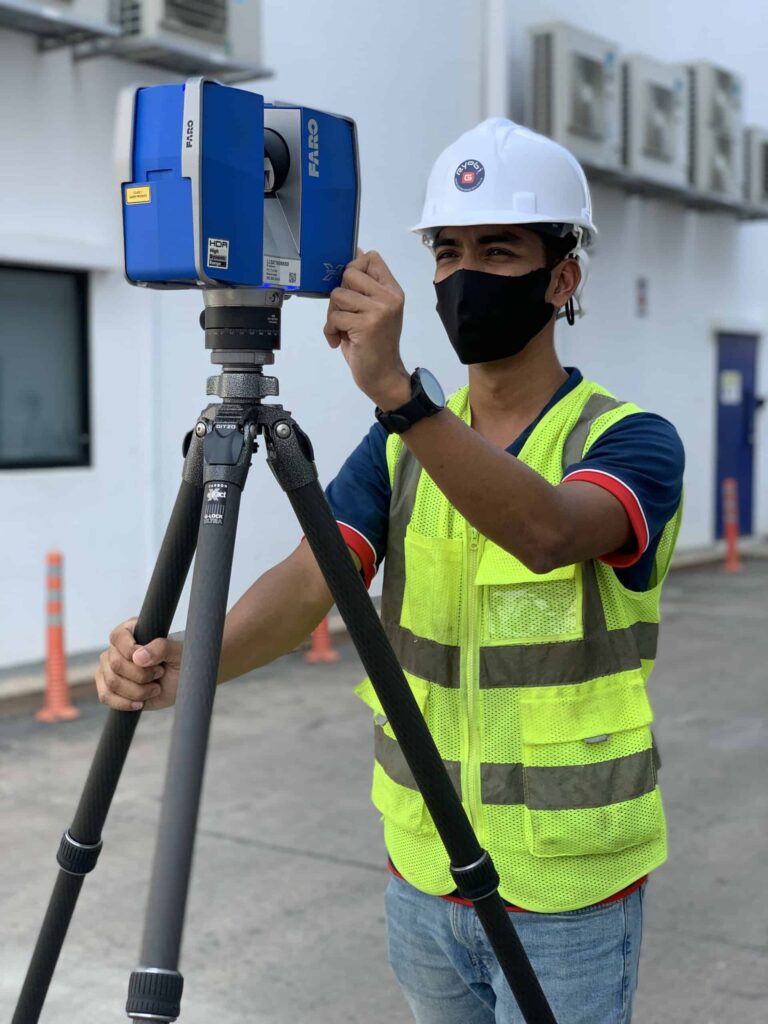
3D laser scanning modern technology has actually developed significantly in recent years, its basic principle remains straightforward: capturing the exact geometry of objects making use of laser beams. This innovation utilizes laser light to measure distances between the scanner and various points on a things's surface area. The data accumulated is after that refined to create an in-depth 3D version, properly mirroring the dimensions and shapes of the checked things.
Generally, 3D laser scanners can be categorized into 2 main kinds: call and non-contact scanners. Get in touch with scanners literally touch the things to gather dimensions, whereas non-contact scanners make use of laser beam of lights to catch data from a range. The flexibility of this innovation enables its application across different sectors, including construction, manufacturing, and architecture. Its ability to produce high-resolution models helps with quality assurance, reverse engineering, and rapid prototyping, eventually boosting style accuracy and performance in production procedures.
Benefits of 3D Laser Scanning in Manufacturing
As manufacturers look for to improve performance and precision in their procedures, the benefits of 3D laser scanning have actually ended up being progressively obvious. This cutting-edge modern technology permits fast and very precise dimensions of complex geometries, significantly decreasing the time required for top quality checks. By capturing comprehensive information, producers can recognize discrepancies early in the manufacturing procedure, consequently decreasing waste and revamp costs.
3D laser scanning assists in better design validation, allowing designers to contrast as-built problems with initial requirements. This capacity guarantees that any variances are without delay attended to, improving general product high quality. In addition, the modern technology sustains the production of digital twins, which can be utilized for simulations and procedure optimizations. Consequently, suppliers not just enhance their functional effectiveness but likewise improve their affordable advantage out there. Overall, the combination of 3D laser scanning represents a transformative step toward attaining higher criteria in making quality assurance.
Combination of 3D Laser Scanning Into Quality Assurance
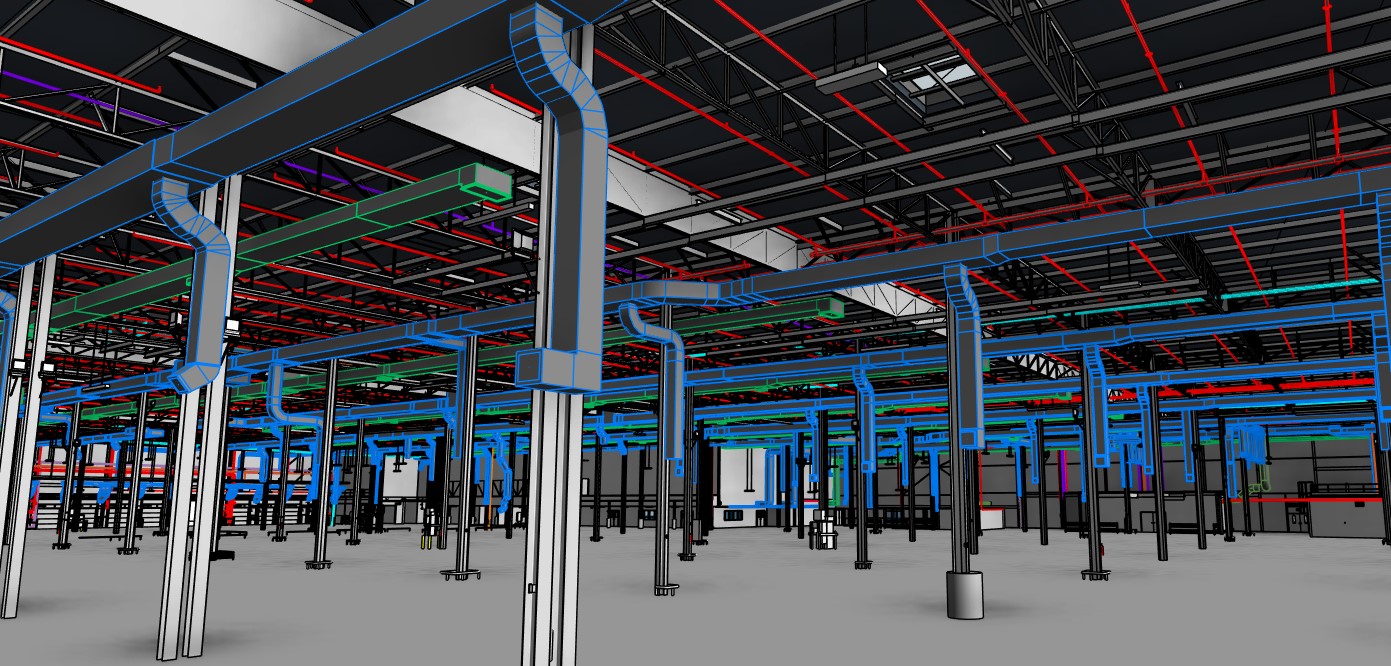
Integrating 3D laser scanning right into high quality control procedures boosts the precision and performance of inspections throughout manufacturing. This technology enables producers to record in-depth, high-resolution information of components and settings up, permitting exact dimensions and contrasts versus design specifications. By employing 3D laser scanning, companies can determine inconsistencies from tolerances a lot more effectively, which is important for keeping item integrity.
Real-World Applications and Study
Real-world applications of 3D laser scanning in making demonstrate its transformative effect throughout various markets. As an example, aerospace firms use this technology to carry out accurate assessments of elements, ensuring they fulfill rigid safety requirements. A notable instance involved a leading airplane manufacturer that used 3D laser scanning to simplify its quality assurance processes, significantly reducing examination times and errors.
In the auto field, producers have actually carried out laser scanning to develop digital twins of their automobiles, enabling real-time modifications during production. One automotive firm reported a 30% reduction in rework prices after incorporating this innovation right into their assembly lines.
In addition, in the durable goods market, companies are utilizing 3D laser scanning for fast prototyping, permitting quicker iterations and improved product styles. These applications show how 3D laser scanning not just improves accuracy yet likewise enhances effectiveness and innovation across numerous production domain names.
Getting Over Challenges in Application
Implementing 3D laser scanning in producing presents several obstacles that organizations should browse to completely recognize its benefits. One substantial obstacle is the initial price of equipment and software, which can prevent business from adopting this technology. Furthermore, incorporating 3D laser scanning right into existing process needs conquering resistance to alter amongst employees, demanding detailed training programs to assure efficiency. Information administration likewise positions an obstacle, as the high volume of details produced by 3D scanning should be successfully refined and examined to obtain actionable understandings. Moreover, compatibility problems with legacy systems might hinder seamless integration, requiring possible upgrades or modifications. Resolving these challenges is vital for suppliers intending to improve quality assurance and maximize production procedures. By establishing clear methods for training, investment, and information management, firms can alleviate these challenges and launch the transformative capacity of 3D laser scanning in their procedures.
Future Trends in 3D Laser Scanning for Manufacturing
As manufacturing continues to develop, the combination of 3D laser scanning with enhanced automation is expected to change production processes. Enhanced information analytics will play an important duty in maximizing workflows and click here now boosting quality assurance. These trends highlight the capacity for greater performance and precision in making environments.

Boosted Automation Integration
Although the combination of automation in manufacturing has been gradual, the future of 3D laser scanning is poised to increase this pattern significantly. As producing processes end up being significantly complex, the need for accurate, real-time measurements grows. 3D laser scanning innovation offers automated data capture, lowering labor prices and lessening human error. This combination enables suppliers to streamline top quality control procedures, allowing fast discovery of inconsistencies in production. Furthermore, the alignment of 3D laser scanning with robotics and automated systems promotes smooth operations, boosting general efficiency. As suppliers adopt these innovative modern technologies, they can anticipate improved accuracy and productivity, placing themselves competitively in a quickly evolving market. The synergy in between automation and 3D laser scanning marks a considerable jump onward in manufacturing advancement.
Boosted Data Analytics
The integration of automation has led the way for developments in data analytics within the domain of 3D laser scanning. Suppliers are increasingly leveraging sophisticated algorithms and artificial intelligence strategies to analyze large datasets produced by laser scans. This improved information analytics capacity enables real-time monitoring of producing processes, making it possible for the identification of deviations and flaws better than conventional approaches. Predictive analytics can visualize prospective concerns, considerably lowering downtime and boosting total efficiency. The capacity to envision data in 3 dimensions gives deeper understandings into manufacturing workflows, promoting better decision-making. As 3D laser scanning modern technology remains to advance, the role of information analytics will certainly become progressively essential in driving development and keeping affordable benefit in production.
Frequently Asked Inquiries
What Industries Advantage one of the most From 3D Laser Scanning?
The markets that profit most from 3D laser scanning include manufacturing, construction, aerospace, automobile, and medical care. These fields make use of the innovation for Check Out Your URL precision measurements, quality control, and effective style processes, substantially enhancing overall functional effectiveness.
Just How Does 3D Laser Scanning Compare to Standard Dimension Techniques?
3D laser scanning offers greater precision and speed compared to conventional measurement techniques. It records comprehensive geometries swiftly, minimizing human mistake and helping with much better evaluation, which eventually improves total quality assurance in different markets.
What Is the Expense of Applying 3D Laser Scanning Technology?
The price of executing 3D laser scanning modern technology varies substantially, normally varying from $10,000 to $100,000, relying on equipment, software program, and training. Organizations should weigh these costs versus prospective performance and high quality renovations.
Exist Details Software Program Needs for 3D Laser Scanning?
Yes, 3D laser scanning needs certain software program, including information processing and modeling applications. Usual options include CAD software, point cloud handling tools, and specialized applications that assist in the assimilation and analysis of checked data for ideal outcomes.
The length of time Does a Regular 3D Laser Scanning Refine Take?
A common 3D laser scanning process can take anywhere from a few mins to several hours, depending upon aspects like the size of the item, complexity of the atmosphere, and required degree of detail for precision.
3D laser scanning technology is transforming top quality control in production. 3D laser scanning modern technology has actually advanced considerably in recent years, its basic concept stays uncomplicated: recording the precise geometry of things utilizing laser light beams. Incorporating 3D laser scanning right into high quality control procedures boosts the accuracy and efficiency of examinations throughout manufacturing (3D Scanning). 3D laser scanning technology provides automated information capture, minimizing labor costs and decreasing click for info human error. The expense of executing 3D laser scanning modern technology varies considerably, commonly varying from $10,000 to $100,000, depending on software, training, and equipment